
Sales
An AI CRM data cleanup agent that works through your record base every night, deduplicating, normalizing and completing what it safely can, and leaving anything that would destroy history for a person.
What an AI CRM data cleanup agent does
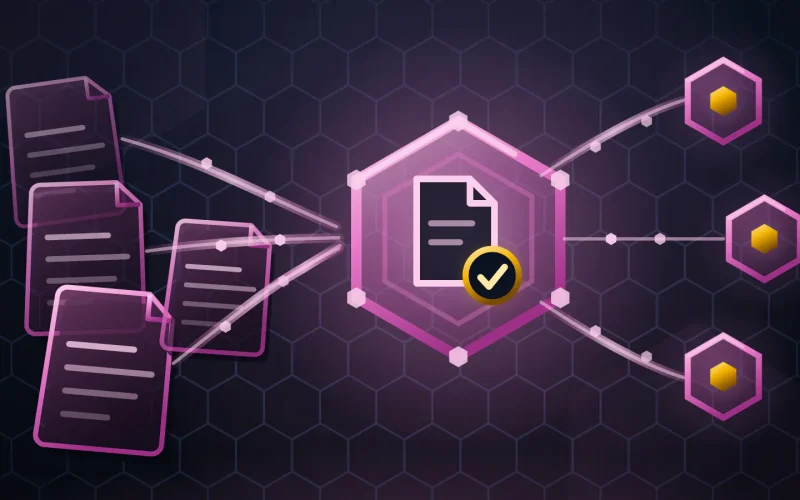
An AI CRM data cleanup agent is a scoped autonomous worker that keeps a record base consistent: one company per company, fields in one format, and gaps filled from sources you trust.
Every CRM decays. Three spellings of the same account, five industry values that mean manufacturing, a contact who left 18 months ago, a country field holding “UK”, “U.K.” and “England”. Nobody caused it and nobody has a week to fix it. Meanwhile the forecast, the routing and the territory split all read from it.
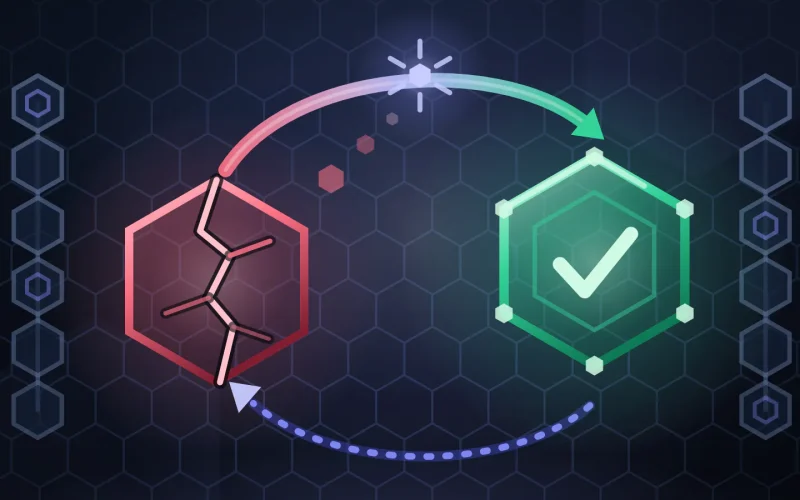
Cleanup projects fail because they are projects. This runs nightly against a small batch, fixes what the rules cover, and stops on anything that would lose information. A reversible fix applied every night beats a heroic one applied once a year.
Inputs -> Outputs
| It reads | It produces |
|---|---|
| Accounts, contacts and opportunities | A dedupe proposal per cluster, with the surviving record named |
| Your field schema and picklist values | Normalized values, mapped to the list your reports actually use |
| Reference sources you have approved | Filled gaps: registered name, industry, region, size |
| Email bounces, activity and role changes | Contacts marked as departed rather than silently deleted |
| Your merge and retention policy | A stop, and a request for review, when a merge would lose history |
| Record ownership and territory rules | Ownership conflicts reported, never resolved unilaterally |
Where it runs
- CRM and customer data platforms
- Marketing automation databases
- Reference and registry data sources
- Data warehouses and reporting layers
- Chat, for review queues
- Spreadsheets and bulk imports
Platform names are shown as illustrative examples of a category, never a claim of a delivered integration.
A day in its life
| Time | What it does |
|---|---|
| 01:00 | The nightly batch starts. Tonight’s slice is 2,000 accounts, oldest first. |
| 01:08 | It finds 34 duplicate clusters. Twenty-nine are unambiguous and merge cleanly. |
| 01:15 | Five clusters hold conflicting opportunity history. It queues them for review, untouched. |
| 01:22 | It normalizes 611 picklist values and rewrites 140 country fields to one format. |
| 01:40 | Two accounts changed registered name at their end. It updates both and cites the filing. |
| 08:00 | Revenue operations opens a queue of five decisions, not a spreadsheet of 34. |
Guardrails and human-in-the-loop
Autonomy boundary
It may merge unambiguous duplicates, normalize values against your schema, and fill empty fields. It may not delete a record, merge where history conflicts, or change ownership.
Approval gates
Any merge that would drop an opportunity, an activity trail or a signed document goes to a named reviewer with both records shown side by side.
What stays human
Schema design, what a field is for, and the commercial call when two teams both believe they own an account.
Escalation
Conflicting history, ownership disputes, and records that fail your validation rules for a reason the agent cannot name.
Logging
Every change records the before value, the after value, the rule that fired and the source. Any night’s work can be reversed as a batch.
The human role it augments
This agent does not replace your revenue operations team. It removes the maintenance - the merge queue, the picklist tidying, the quarterly export into a spreadsheet nobody finishes - so their time goes into the things only they can do: the schema, the territory model, and the process changes that stop bad data being created in the first place.
That last point is where the value compounds. The agent reports which sources and which forms produce the most defects, so the fix can move upstream. An agent that cleans forever without anyone asking why is covering for a broken form.
Time to value and cost shape
- Cost shape - Priced per record processed, not per CRM seat. The comparison is the loaded cost of manual cleanup against the decisions currently being made on a base nobody fully trusts.
- Model your own figures - ROI calculator · what a hive costs
KPIs it moves
- Duplicate rate
- Duplicate clusters remaining in the base, tracked weekly (Yours)
- Field completeness
- Required fields populated across active accounts (Yours)
- Defects at source
- Which forms and imports create the most bad records (Yours)
- 100%
- Of changes reversible, with the before value retained (Target)
Provenance is shown on every cell. Nothing here is a client outcome.
Frequently asked questions
What if it merges two accounts that were not the same company?
Merges run only on unambiguous matches, and every one is reversible from the log, including the field values that were superseded. Anything with conflicting history is queued rather than merged. The design assumption is that a wrong merge is expensive and a delayed merge is not.
Will it delete our data?
No. It has no delete rights, in any mode. Records that should not exist are marked for review, and departed contacts are flagged rather than removed, because the activity attached to them is often the only evidence of what happened on that account.
How does an AI CRM data cleanup agent decide what "correct" looks like?
From your schema, your picklists and the reference sources you approve, not from its own idea of a tidy database. Where your rules are ambiguous, it reports the ambiguity instead of choosing. That report is usually more valuable than the cleanup in the first month.
Can we watch it before letting it change anything?
That is the default. It runs in report-only mode first, producing the exact changes it would make, and moves to acting rule class by rule class as each one earns it. Most teams keep merges under review permanently and let normalization run free.
Related agents
Pipeline Forecast Agent
Reads this base. Its forecast is only as honest as these records.
Lead Research & Enrichment Agent
Stops new duplicates entering at the point a form is submitted.
Outbound Personalization Agent
Depends on correct ownership and suppression data to avoid mailing a live deal.
Meeting Prep Agent
Produces better briefs from a base with fewer stale fields.
Proposal Drafting Agent
Builds documents from the opportunity data this agent keeps consistent.
Compliance Watch Agent
A different department, same job: check records against a rule set and evidence every change.