
Engineering
Automated dependency patching AI that tracks advisories against what you actually run, upgrades in safe order, proves the suite still passes, and opens a pull request a human can merge in minutes.
What automated dependency patching AI does
Automated dependency patching AI is a scoped autonomous worker that keeps your dependencies current and your advisories closed, without turning your repository into a wall of unreviewed upgrade pull requests.
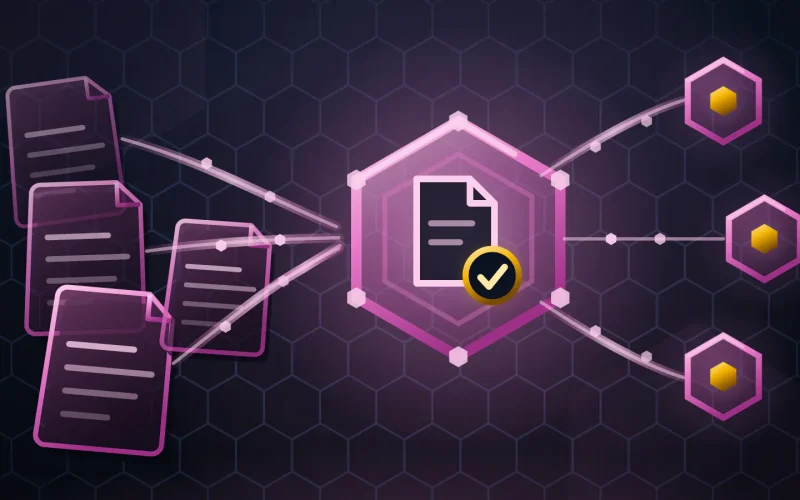
The difference from a plain version bumper is judgment about order and risk. It knows which advisories apply to code paths you actually call rather than to a package you merely have installed. It groups related upgrades that must move together, separates the risky major from the trivial patch, and runs your suite against each before proposing anything.
Unpatched dependencies are one of the few incident causes that are entirely preventable and almost entirely unglamorous, which is precisely why they get deferred until an advisory becomes an outage.
Inputs -> Outputs
| It reads | It produces |
|---|---|
| Security advisories and CVE feeds | A prioritized list filtered to what you actually run |
| Your lockfiles and dependency graph | Upgrades grouped so co-dependent packages move together |
| Changelogs and release notes | A plain summary of what changed and what might break |
| Your test suite results | Proof the suite passes before any pull request is opened |
| Call-path analysis | A severity downgrade when the vulnerable function is never called |
| Your upgrade policy | Majors held for human decision, patches proposed automatically |
Where it runs
- Code repositories and pull requests
- Package registries
- Security advisory and scanning tools
- CI/CD pipelines
- Issue trackers
- Chat, for the weekly summary
Platform names are shown as illustrative examples of a category, never a claim of a delivered integration.
A day in its life
| Time | What it does |
|---|---|
| 06:00 | The weekly run starts. Fourteen new advisories touch packages in the dependency graph. |
| 06:04 | Call-path analysis: nine involve functions the codebase never calls. They are logged, not raised. |
| 06:09 | Five are real. One is critical and sits in a package used on the checkout path. |
| 06:15 | It upgrades the critical one, runs the full suite, and the suite passes. A pull request opens. |
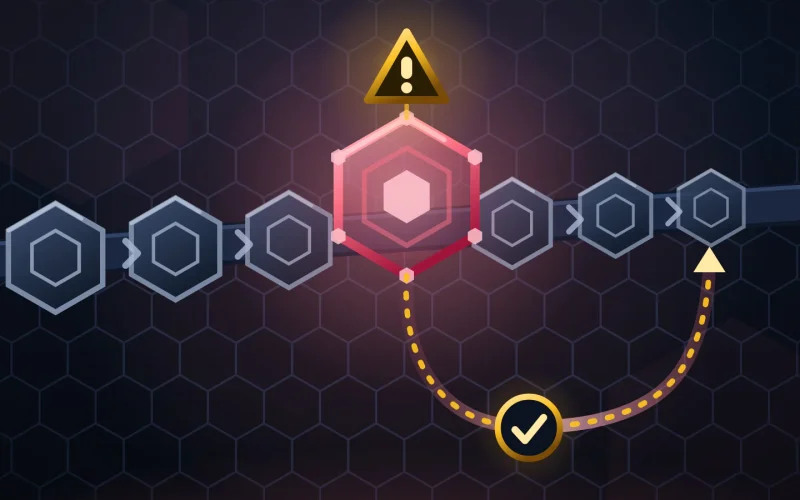
| 06:31 | A second upgrade breaks two tests. It does not force it. It opens an issue with the failure output. |
| 09:00 | An engineer merges the clean patch before standup and schedules the breaking one properly. |
Guardrails and human-in-the-loop
Autonomy boundary
It may open branches, upgrade dependencies, run tests and open pull requests. It may not merge, force a failing upgrade, or change your upgrade policy.
Approval gates
Major version bumps and anything that changes a public interface are raised for human decision rather than proposed automatically.
What stays human
Accepting a breaking change, deciding to accept a risk rather than patch, and any upgrade that requires a code change to absorb.
Escalation
A patch that breaks tests becomes an issue with the failure output attached, never a pull request that someone might merge on autopilot.
Logging
Every advisory assessed, every decision to raise or filter it, and every upgrade attempted is recorded, which is what makes your patching posture auditable.
The human role it augments
This agent does not replace whoever owns security in your team. It removes the triage - reading fourteen advisories to find the five that matter - and the mechanical part of the upgrade, so the person owning it spends their time on the breaking changes and the architectural decisions about what you depend on at all.
It also changes the posture from reactive to routine. Most teams patch when something forces them to. This turns it into a weekly pull request that takes minutes, which is the only version of dependency hygiene that survives a busy quarter.
Time to value and cost shape
- Cost shape - Priced per repository run rather than per engineer seat. The comparison is the triage hours it returns, set against the cost of the one advisory that would otherwise have become an incident.
- Model your own figures - ROI calculator · what a hive costs
KPIs it moves
- Time to patch
- Advisory published to patch merged, before and after (Yours)
- Advisory noise
- Share filtered as not-applicable by call-path analysis (Target)
- Tested before proposed
- Every pull request proven green before it is opened (Target)
- Open critical age
- Oldest unpatched critical advisory, tracked weekly (Yours)
Provenance is shown on every cell. Nothing here is a client outcome.
Frequently asked questions
Will it flood our repository with upgrade pull requests?
No, and avoiding that is most of the design. It filters advisories to those affecting code paths you actually call, groups co-dependent upgrades into one pull request, and holds majors for a human decision. A wall of bot pull requests trains a team to ignore them, which leaves you worse off than before.
What if a patch breaks something?
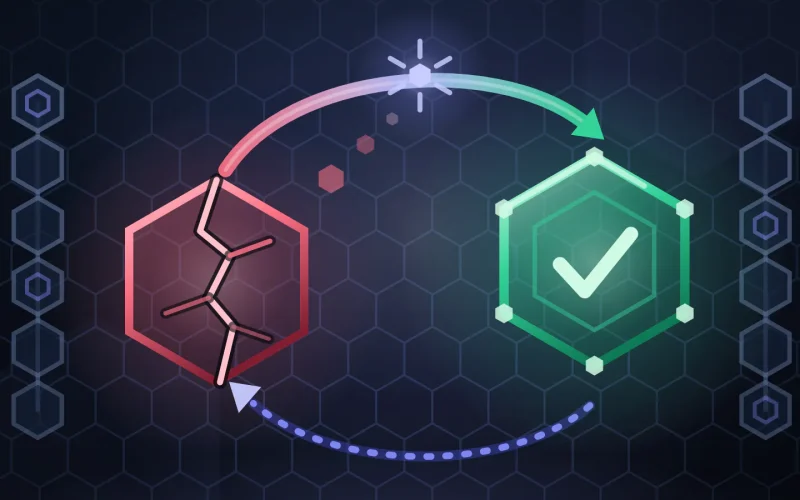
It finds out before you do, because the suite runs before any pull request is opened. A breaking upgrade becomes an issue with the failure output attached rather than a pull request somebody might merge without reading. It never forces a failing upgrade through.
Does it decide our risk tolerance?
No. It applies your policy: which severities are auto-proposed, which need a person, and what your position is on majors. Where an advisory is genuinely ambiguous, it raises it rather than deciding. Accepting risk is a human call with consequences the agent does not carry.
Can it handle a monorepo or several services at once?
Yes, and it tends to help more there, because the triage cost scales with the number of dependency graphs while the human attention available does not. Each repository keeps its own policy and its own schedule.
Related agents
Build & Release Agent
Ships the patch once it is merged.
Code Review Agent
Reviews the upgrade pull requests this agent opens.
Test-Writing Agent
Provides the coverage that makes a patch provably safe.
Incident Response Agent
Handles the advisory that was not patched in time.
Self-Healing Infra Agent
Remediates the symptom while the patch is prepared.
Analytics Digest Agent
A different department, same pattern: filter noise, report what matters.