REFERENCE SCENARIO · LOGISTICS & SUPPLY CHAIN
Reference scenario - composite, not a named client. A composite build illustrating our method. Figures are modeled and the model is shown.
This logistics ai automation case study is a reference scenario. No shipper sits behind it. It shows how a shipment exception can be caught, chased and answered by agents instead of a report, and how each figure here is calculated.
What this page is not
No shipper, carrier or brand is described here. We have no consented client story in this sector, and we are not going to imply one by describing a company closely enough to be recognized.
What follows is a composite. The exception classes are real categories of work. The volumes, rates and minutes are inputs chosen so the arithmetic can be checked. None is a measurement.
The situation this build answers
Most shipments are uneventful. A small share are not, and that small share generates nearly all the inbound questions, the goodwill credits and the weekend messages.
The exceptions are known types. A missed scan, a customs hold, a failed delivery attempt, an ETA that slips past the promise date. Each has a response somebody has written down.
Where the time actually goes
- Exceptions are found by a report that runs on a schedule, so the schedule sets the delay.
- The customer often notices first, which turns a logistics task into a service recovery.
- Chasing a carrier is portal work: log in, find the reference, open a case, note the file.
- Half the handling time is assembly, not decision.
- Nothing happens overnight, and freight does.
The hive, agent by agent
Order & Logistics Agent
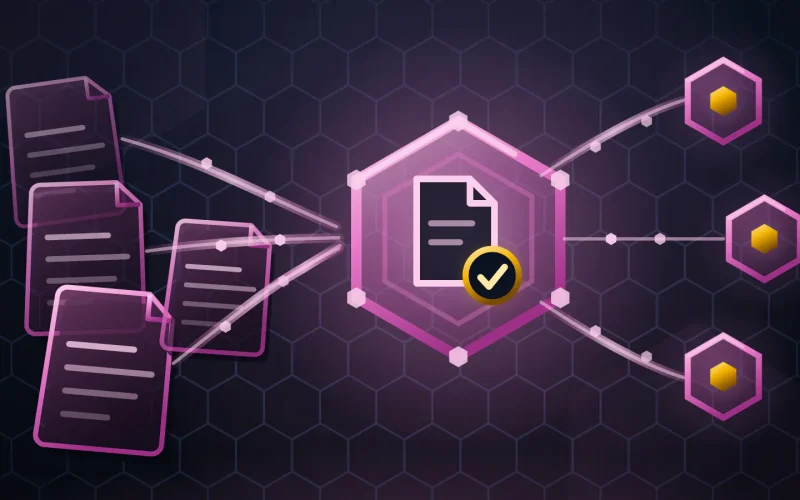
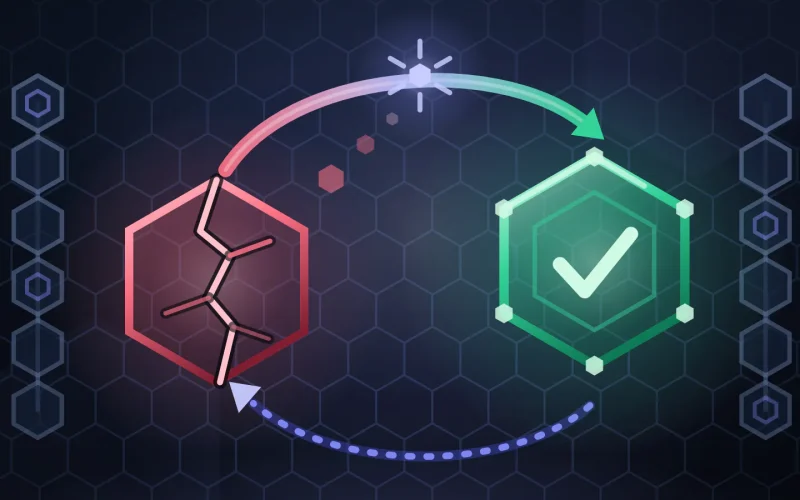
Watches shipment events continuously, classifies an exception the moment it appears, and runs the response for the classes you have approved.
Ticket Triage Agent
Handles the inbound side. When a customer does ask, the answer and the open carrier case are already attached to the conversation.
The orchestrator
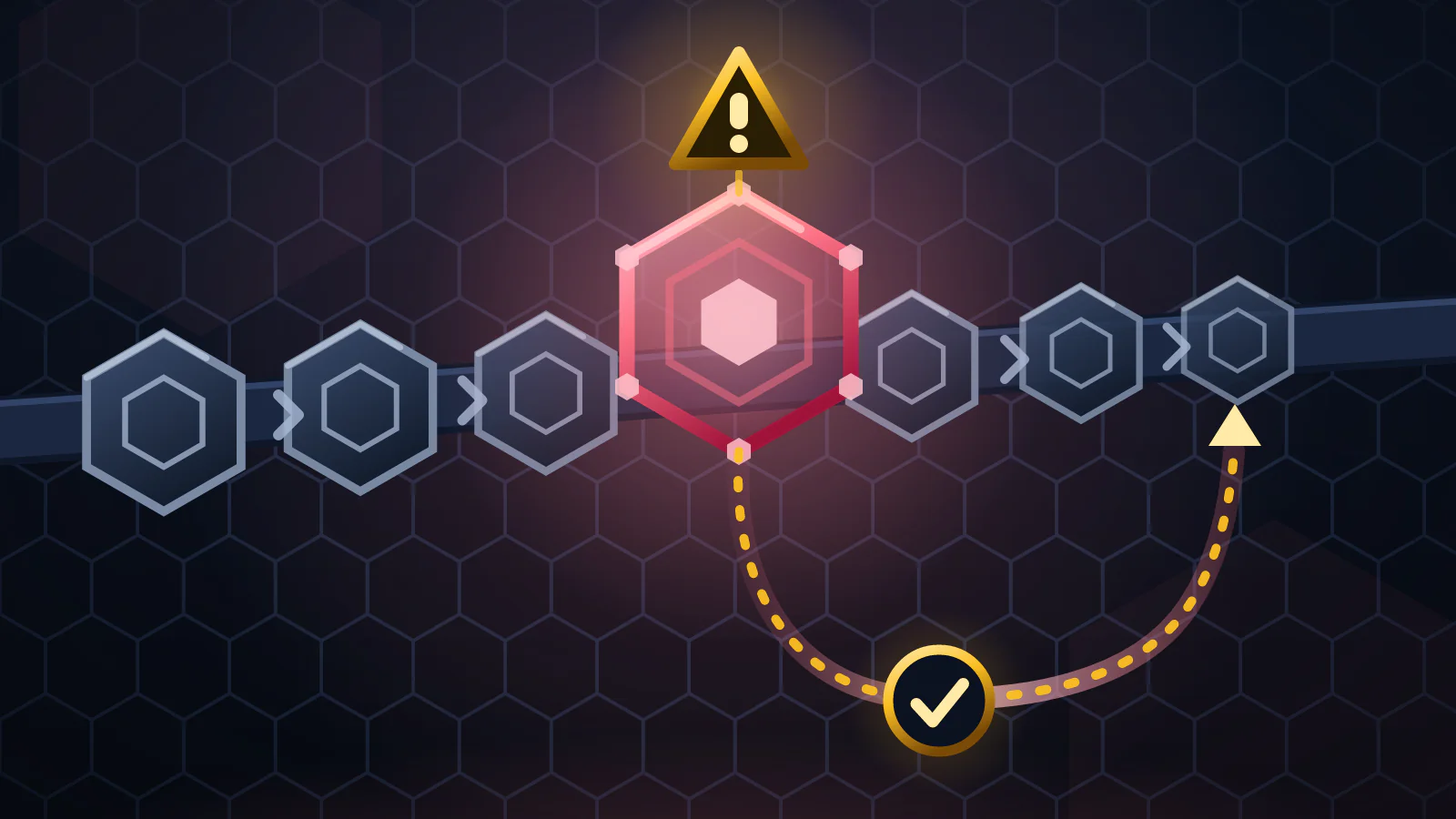
Holds the playbooks, decides which exception classes an agent may finish, and keeps a durable task open while a carrier takes three days to reply.
Long-running work is the hard part here. A carrier case is not a request and a response. It is a task that stays open across days, retries and shift changes, which is what multi-agent orchestration is for. The process work itself sits under AI business process automation.
What the agents may not do
Autonomy boundary
Agents detect, classify, open a carrier case, chase it and notify. They never issue a refund, never approve a credit, and never accept a settlement.
Approval gate
Anything that costs money or concedes liability stops and waits for a person.
Customer contact rules
Proactive notifications go out only for the exception classes you have signed off, and only within the tone and frequency limits you set.
What stays human
Money, liability, key-account escalations and any exception class the agent has not seen before.
Logging
Every event, classification, carrier interaction and notification is recorded with a timestamp. Read our governance approach for how that is held.
How the build would run
| Phase | Typical | What happens |
|---|---|---|
| Audit | 3-10 days | Ninety days of exceptions are classified to find the real class mix and which classes are genuinely playbook-shaped. |
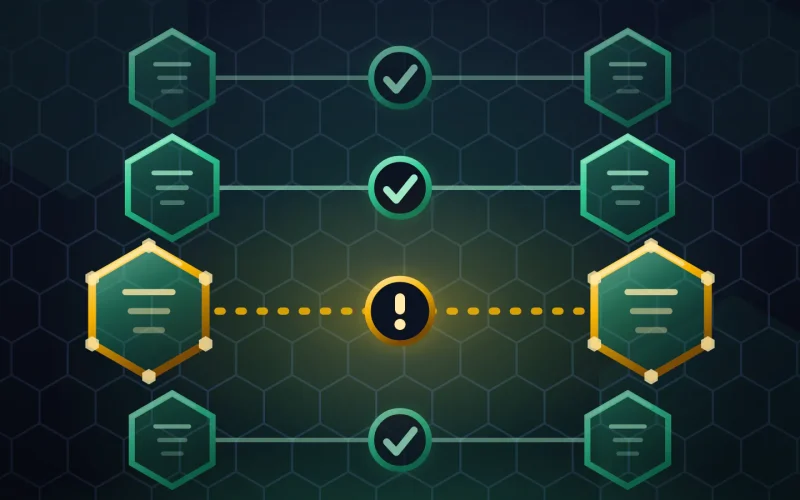
| Detect only | 2 weeks | Agents watch and alert. No action is taken. The team compares the agent’s catch against the report’s. |
| Act on three classes | 3-4 weeks | The clearest classes are automated first, one at a time, each with its own kill switch. |
| Steady state | ongoing | New classes are added on evidence, not on ambition. |
How to read this logistics ai automation case study
Every figure below is arithmetic on stated inputs. We show the multiplication so the assumption is the thing you argue with.
| Input | Assumed value |
|---|---|
| Shipments | 22,000 per month |
| Exception rate | 4% |
| Manual handling per exception | 22 minutes |
| Exception classes an agent can finish | 60% of exceptions |
| Human handling with a prepared packet | 9 minutes |
| Review sample on agent-closed exceptions | 10%, at 2 minutes |
| Exception report today | Twice a day, worked once a shift |
| Agent event check | Every 15 minutes |
The modeled outcome, with the arithmetic
| Figure | The arithmetic | Label |
|---|---|---|
880 exceptions a month | 22,000 × 4% | Modeled |
~323 h handling today | 880 × 22 min = 19,360 min | Modeled |
528 closed by an agent | 880 × 60% | Modeled |
352 still worked by a person | 880 − 528 | Modeled |
~55 h handling after | (352 × 9 min) + (53 reviews × 2 min) = 3,274 min | Modeled |
~268 h returned per month | 322.7 − 54.6 | Modeled |
~83% less handling time | 268.1 ÷ 322.7 | Modeled |
~8 min mean time to action | Half of a 15-minute check cycle | Modeled |
14 h mean time to action today | 6 h to the next report + 8 h to the next worked shift | Modeled |
100% of money decisions held for a person | Design rule, not a rate | Target |
What we would measure, and what we will not claim
We publish no outcome range for this build. No consented client result exists behind it, and a modeled figure is not a result.
What we would change next time
Automate three classes, not eight. The temptation after a good detect-only fortnight is to switch everything on. Each class has its own failure mode, and switching them on together makes the first bad week unreadable.
Build the carrier-case timeline before the automation. Knowing that a chase took four days is worth more than saving the twelve minutes it took to send.
The parts this build is made of
AI business process automation
Automating the process rather than the click, with approval gates where a person decides.
Multi-agent orchestration
Durable long-running tasks, retries and handoffs across days.
Order & Logistics Agent
Exception detection, classification and the carrier chase.
Ticket Triage Agent
The inbound side, with the open case attached.
AI agents for logistics and supply chain
Where else agents pay off in this sector.