REFERENCE SCENARIO · FINTECH
Reference scenario - composite, not a named client. A composite build illustrating our method. Figures are modeled and the model is shown.
This ai reconciliation case study is a reference scenario. No finance team sits behind it. It shows how invoices, purchase orders and receipts can be matched by agents while a person decides every exception, and how each figure here is calculated.
What this page is not
No company is described here. We hold no consented client story in financial services, and inventing one on a page about audit trails would be an odd way to argue for our own rigor.
So the composite is declared. The process shape is one we build against. The volumes, the match rate and the minutes per invoice are inputs picked to make the arithmetic visible. Not one is a measurement.
The situation this build answers
Supplier invoices arrive continuously and are matched against purchase orders and goods receipts by hand. The clean ones are quick and dull. The rest are slow, because each needs a person to work out what happened.
That mix is the whole problem. A team sized for the exceptions is oversized for the clean ones, and a team sized for the clean ones drowns at month end.
Where the time actually goes
- The clean matches consume real hours despite needing no judgment at all.
- Every exception starts by rebuilding context: the order, the receipt, the tolerance, the history.
- Duplicate invoices are found late, sometimes after payment.
- The evidence for a decision lives in a mailbox, so an auditor’s question becomes an excavation.
- Month end concentrates the work into the days when everyone is already busy.
The hive, agent by agent
Invoice Matching Agent
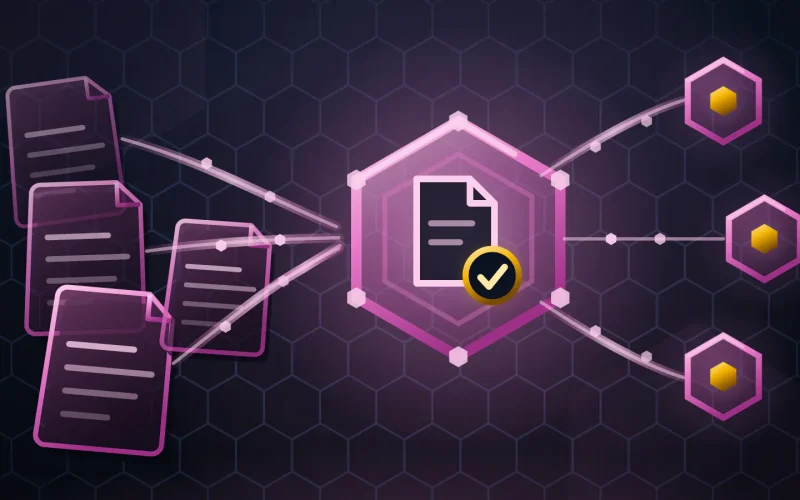
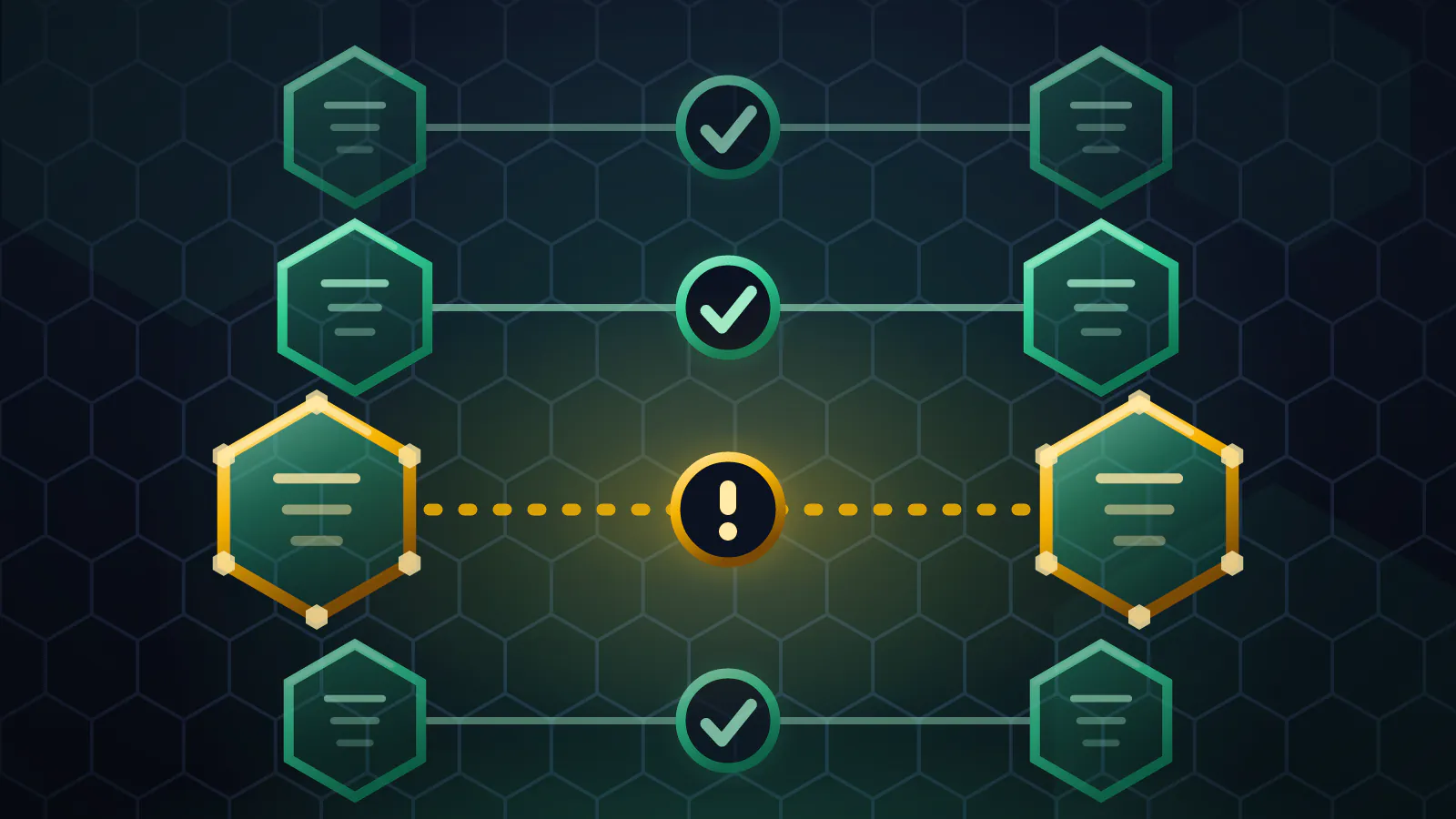
Performs the three-way match, applies your tolerance rules, and assembles an exception packet where the match fails.
Compliance Watch Agent
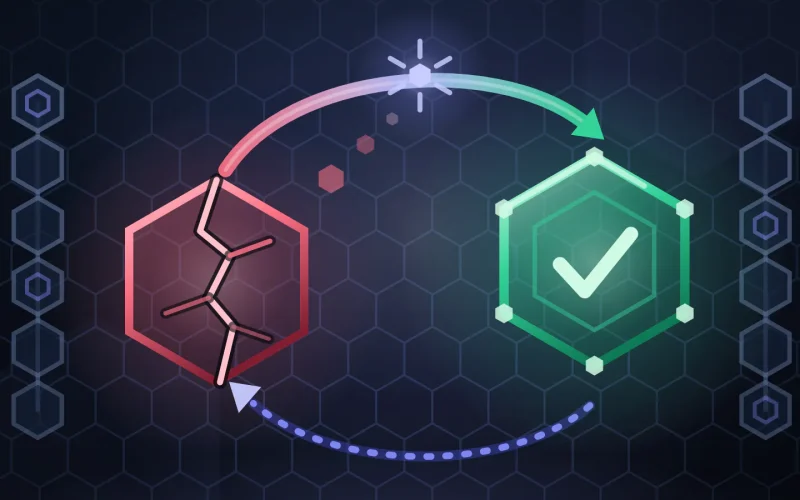
Watches for duplicates, unapproved suppliers, split invoices under an approval threshold and anything that breaks a policy rule.
The orchestrator
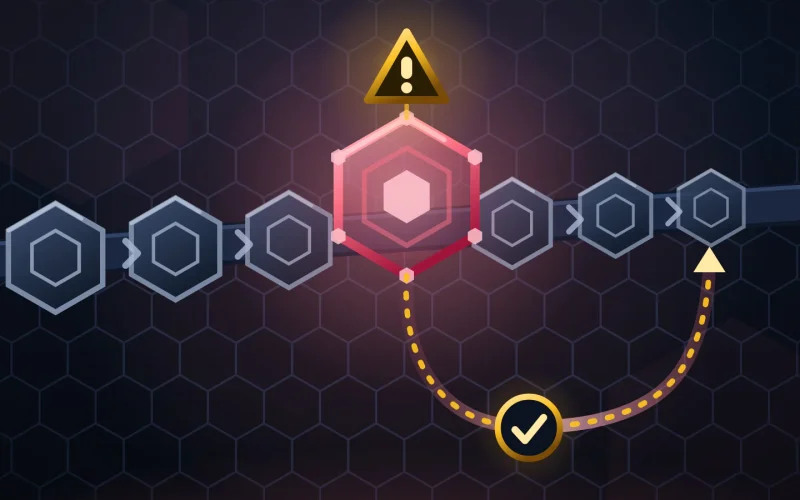
Routes each invoice to a match, an exception queue or a compliance hold, and keeps the record of why.
The exception packet is the deliverable people underestimate. A human opening one sees the invoice, the order, the receipt, the specific tolerance that broke, the supplier’s history and the agent’s reading. The decision stays theirs. The excavation does not.
The service pages behind this build are AI finance and back-office automation and AI integration services.
What the agents may not do
Autonomy boundary
Agents match, flag, hold and prepare. They never release a payment, never create a supplier, and never change a tolerance rule.
Approval gate
Every exception is decided by a person. There is no confidence score high enough to skip that step, because the cost of a wrong payment is not symmetrical with the cost of a slow one.
Segregation of duties
The agent that matches is not the agent that watches for policy breaks, and neither can approve.
What stays human
Payment release, supplier onboarding, tolerance policy and any dispute.
Logging
Every match, rule applied, hold and human decision is recorded with a timestamp and its evidence. Read our governance approach for how that is held.
How the build would run
| Phase | Typical | What happens |
|---|---|---|
| Audit | 3-10 days | Three months of invoices are replayed to score the real clean-match rate and to find which tolerance rules actually fire. |
| Shadow | 3 weeks | The agent matches in parallel with the team. Disagreements are the deliverable, not the matches. |
| Assist | 3-4 weeks | Clean matches post with a sampled human check. Exceptions route with packets attached. |
| Steady state | ongoing | The sample rate falls only where the shadow evidence supports it, and never to zero. |
How to read this ai reconciliation case study
Every figure below is arithmetic on stated inputs. Nothing here is observed, and the multiplication is shown so you can argue with the assumption instead of the conclusion.
| Input | Assumed value |
|---|---|
| Supplier invoices | 9,000 per month |
| Clean three-way match rate | 82% |
| Manual handling, clean match | 4 minutes |
| Manual handling, exception | 18 minutes |
| Human check on an agent match | 5% sample, at 2 minutes |
| Human decision on a prepared exception | 6 minutes |
The modeled outcome, with the arithmetic
| Figure | The arithmetic | Label |
|---|---|---|
7,380 clean matches | 9,000 × 82% | Modeled |
1,620 exceptions | 9,000 − 7,380 | Modeled |
978 h handling today | (7,380 × 4 min) + (1,620 × 18 min) = 58,680 min | Modeled |
174 h handling after | (369 checks × 2 min) + (1,620 × 6 min) = 10,458 min | Modeled |
~804 h returned per month | 978 − 174.3 | Modeled |
~82% less handling time | 803.7 ÷ 978 | Modeled |
~1.2 min per invoice after | 10,458 min ÷ 9,000 (from ~6.5 min) | Modeled |
100% of exceptions decided by a person | Design rule, not a rate | Target |
100% of decisions logged with evidence | Design rule, not a rate | Target |
What we would measure, and what we will not claim
We publish no outcome range for this build. There is no consented client result behind it, and we will not manufacture one to fill a slot.
What we would change next time
Run shadow mode longer than feels necessary. The value of this build is the disagreement log, and three weeks of disagreements is what tells you whether the tolerance rules encode the policy or somebody’s memory of it.
Resist automating the exception decision later. It will be proposed, the accuracy will look good, and the one wrong payment will cost more than the year of saved minutes.
The parts this build is made of
AI finance and back-office automation
Matching, reconciliation and compliance work with an audit trail per decision.
AI integration services
The wiring into the ledger and the procurement system, with governed credentials.
Invoice Matching Agent
Three-way matching and exception packets.
Compliance Watch Agent
Duplicates, policy breaks and holds.
AI agents for fintech
Where else agents pay off in this sector.